 Share
ShareWorld Brain Day 2025: Why Your Brain Needs a Break from the Screen
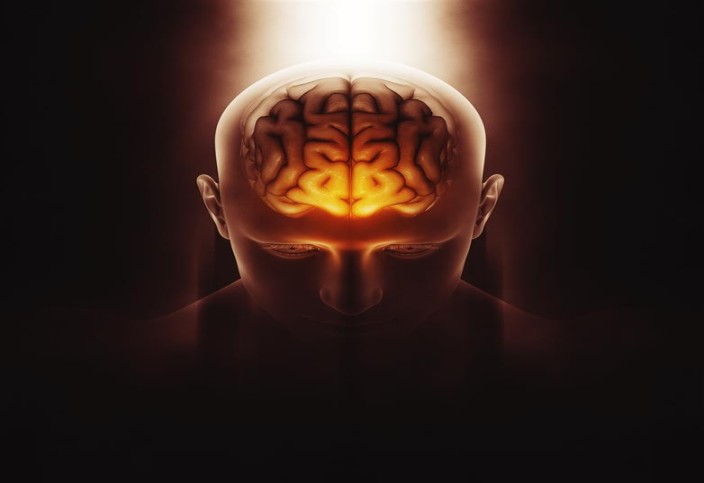
World Brain Day is observed annually on 22nd July. The World Federation of Neurology started it to raise awareness about brain health and push for better brain care worldwide. The date marks when the Federation was founded and draws attention to the growing need for better brain health strategies.
In 2025, this day will become more important than ever. As digital technology continues to fill our personal, work, and social lives, we need to ask what brain health means and how our screen-heavy routines affect it. Brain health includes sharp thinking, stable emotions, and healthy brain function, all of which can be changed in small but lasting ways by how we use technology.
What Are the Challenges to Brain Health in a Digital World?
1. Too Much Connection and Broken Focus
The devices themselves aren't the only problem. Rather, it's the speed of digital input that wears out the brain. Juggling tabs, replying to messages, and flipping through apps where our attention is divided everywhere. The brain is a master at adapting to different things and staying organized in such environments. However, it becomes difficult to keep focus and hold onto information in a meaningful way.
This breaking apart doesn't happen overnight. The brain pathways responsible for staying focused gradually weaken when constantly interrupted. What comes out is a mind that looks for the next thing rather than staying with the present one.
2. The False Promise of Multitasking
Digital culture often rewards doing multiple things at once. Yet, multitasking is a brain trick. What looks like being productive is often rapid task-switching that slows down efficiency and strains brain function. With repeated patterns, this habit changes how the brain filters and puts things in order. Hence, you end up choosing surface-level engagement over deep thinking.
The front part of the brain, responsible for complex decision-making, becomes overworked when forced to constantly redirect attention. This leads to what researchers call "switching costs," which is the mental energy lost each time we move between tasks.
3. Too Much Visual Input and Mental Tiredness
Smartphones, tablets, and televisions are designed to catch the eye like bright screens, moving content, and fast changes. But this visual overload can overstimulate the brain's processing areas. The result? Mental tiredness sets in faster, and rest time no longer feels refreshing.
The part of the brain that processes vision developed to handle natural environments, struggles with the artificial intensity of digital displays. Blue light emission further disrupts sleep patterns, and the constant motion of digital content prevents the brain from entering restful states.
4. Digital Noise and Emotional Ups and Downs
Digital spaces don't always encourage emotional balance. Being exposed to extreme opinions, upsetting news cycles, and overly perfect social media profiles triggers mood swings. Over time, this instability affects emotional strength and reduces your mental clarity.
The brain system that processes emotions becomes overactive when exposed to the artificial intensity of digital interactions. Without the natural buffers present in face-to-face communication, like pauses, body language, and shared physical space, your emotional responses become exaggerated.
How do screens affect our brains?
The link between screen exposure and brain stress isn't random. It's chemical. Constant alerts and digital novelty stimulate the brain's reward system. But this overuse comes at a cost, like reduced patience, poor sleep, and lower tolerance for boredom.
Dopamine, which is linked to reward and motivation, gets released each time we receive a notification or discover new content. However, this creates a tolerance effect where the brain requires increasingly frequent stimulation to maintain the same level of satisfaction.
Always Being Available
Checking emails before bed. Replying to texts during meals. Always being 'reachable.' The pressure to stay digitally present can exhaust mental resources. It leads to reactive, rather than thoughtful thinking.
The constant state of digital availability creates what researchers call "continuous partial attention". It is a mental state where we're always monitoring for incoming information and never engaging with any single task.
Practical Habits to Preserve Brain Health
1. Simplify Your Digital Space
Organize your digital environment by reducing your desktop clutter, keeping only essential apps on your home screen, and muting non-critical notifications. The brain reacts positively to simplified input, which lowers your mental load.
2. Schedule Time to Be Unreachable
Set aside periods where you are intentionally unavailable. One hour each evening or part of your weekend can be screen-free. Use that time to recharge mentally, not to improve your productivity but for your mental health.
3. Engage Your Other Senses
Spend time in physical environments like a walk under trees, hands in soil, and pen on paper. These non-digital activities activate different sensory pathways, giving rest to the screen-dominant regions of your brain.
4. Create Simple Routines
Simple, repeatable routines like writing in a journal at the same time daily or meditating for five minutes after waking create mental anchors. They help the brain shift between digital and non-digital spaces with less friction.
5. Protect Your Sleep
Digital wind-down should begin at least an hour before bedtime. Use warm lighting, avoid stimulating content, and replace screens with analog alternatives like a paperback, slow music, or breathing exercises. Sleep is essential for brain repair.
6. Choose Real Conversations
Pick in-person dialogue whenever possible. Even brief real-world interactions exercise brain circuits tied to empathy, intuition, and reading non-verbal cues. These abilities often weaken when replaced by endless texting.
Conclusion
In 2025, World Brain Day reminds us that it is important to take care of our mental health, too. It is tied directly to how we engage with the world, including our screens. While digital life is here to stay, the way we use it is within our control.
On this day, Hinduja Hospital Khar encourages individuals and families to reassess their digital routines and adopt simple, lasting habits that preserve mental clarity and emotional balance. Because a healthier brain doesn't demand leaving the modern world behind, only a smarter way of living in it.
Submit your query