 Share
ShareThyroid Symptoms in Newborns: Early Signs, Diagnosis, and Care
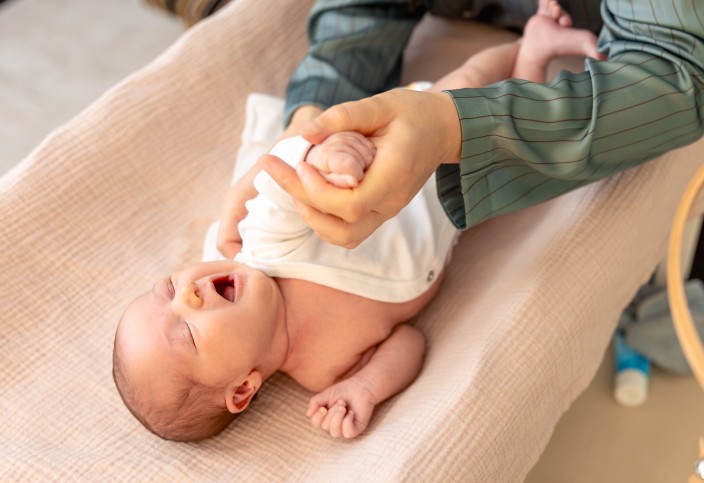
Thyroid problems in newborns are not very easy to detect. The gland regulating growth and brain development can be underactive from birth. This leads to a condition called congenital hypothyroidism. The newborn doesn't produce enough thyroid hormones in such cases.
These hormones are important for the baby’s early stages of life. Though uncommon, missing the signs can have lasting effects. This article outlines the early symptoms, causes, diagnostic process, and types of hypothyroidism seen in newborns.
What are the common thyroid symptoms in babies?
Symptoms don't always appear immediately. Many newborns with congenital hypothyroidism look healthy at birth. But over time, certain signs can begin to show:
- Poor feeding or difficulty sucking.
- Constant drowsiness or low responsiveness.
- Infrequent bowel movements (constipation).
- Jaundice that doesn’t go away in a few days.
- A large tongue that may stick out.
- Swelling around the eyes or a generally puffy face.
- Hoarse or weak-sounding cry.
- Cool, dry skin with a rough texture.
- Weak muscle tone makes the baby seem floppy.
- Large fontanelle (soft spot on the head).
In many babies, these symptoms develop gradually over the first few weeks. If these symptoms are ignored, it can interfere with the growth, cognitive development, and overall health of the baby.
What causes congenital hypothyroidism?
There are different underlying causes for hypothyroidism in newborns:
- Thyroid dysgenesis – The gland is missing (agenesis), underdeveloped (hypoplasia), or located in the wrong place, like at the base of the tongue (ectopic thyroid).
- Dyshormonogenesis – The gland is present but has internal enzyme defects that affect hormone production.
- Iodine deficiency – Low iodine levels during pregnancy can impact thyroid hormone synthesis in the foetus.
- Genetic mutations – Inherited mutations can affect either thyroid development or hormone function.
- Maternal antibodies – It is a very rare scenario wherein antibodies from the mother may cross into the baby’s system and temporarily block thyroid function.
These causes determine whether the condition will require lifelong treatment or is likely to resolve on its own.
How is thyroid diagnosed in babies?
A few hospitals in India conduct routine screening for congenital hypothyroidism is done using cord blood TSH or after 48 and 72 hours of life using a heel-prick blood sample. This helps measure:
- TSH (Thyroid-Stimulating Hormone) – A high level suggests the thyroid gland is not responding properly.
- T4 (Thyroxine) – A low level confirms reduced hormone activity.
If results from the screening are unusual, follow-up blood tests are recommended to confirm the findings. Further investigations include:
- Ultrasound checks the presence, size, and structure of the gland in the neck.
- A radionuclide scan is used to find the exact location of the gland when an ectopic thyroid is suspected.
- Genetic tests are considered when the doctor suspects a hereditary condition or associated abnormalities.
Diagnosis should not be delayed. Early detection allows for timely decisions on care and hormone regulation to avoid future developmental problems.
Transient vs. Permanent Hypothyroidism
All cases of hypothyroidism in newborns are not the same. Some are lifelong and require continuous monitoring, while others resolve within a few months. Let’s take a look at the two types of congenital hypothyroidism:
- Permanent congenital hypothyroidism is usually caused by gland absence, malformation, or inherited defects in hormone production. These babies will need long-term thyroid hormone replacement and regular monitoring.
- Transient hypothyroidism can occur due to temporary factors such as maternal antibody transfer, excess iodine exposure during delivery, or certain medications taken during pregnancy. This form often resolves on its own within the first few months or years of life. However, babies with transient thyroid dysfunction must still receive treatment during the initial months to prevent developmental setbacks.
The distinction between the two is made over time through repeated hormone testing and clinical assessment. A withdrawal trial is considered by doctors after 3 years to check if the condition persists.
How to prevent thyroid problems in babies?
There’s no guaranteed way to prevent congenital hypothyroidism when it is caused by gland malformation or genetic factors. Still, some steps support maternal and foetal thyroid health:
- Make sure you have enough iodine intake during pregnancy. This can be achieved through iodised salt and, if needed, supplements as recommended by a doctor.
- Go for regular prenatal check-ups. These visits help in the early identification and management of any maternal thyroid issues.
- After delivery, make sure your baby has undergone newborn screening. This early step plays the most important role in catching hypothyroidism before symptoms escalate.
These measures don’t prevent the condition itself in all cases, but they reduce the risk of complications arising from a late diagnosis.
Final Thoughts
Thyroid symptoms in newborns are quiet and easy to miss. They might overlap with other common diseases. However, the cost of missing these symptoms can affect how a child grows, learns, and thrives. Hence, it is important to know the early warning signs and follow up with appropriate screening. Whether a case turns out to be permanent or temporary, what matters most is starting care early.
If you suspect any thyroid-related symptoms in your baby or want to learn more about newborn screening, the paediatric team at Hinduja Hospital Khar provides advanced diagnostics and expert guidance tailored to your child’s needs.
Frequently Asked Question (FAQs)
Can a 3-year-old have thyroid problems?
Yes, thyroid problems can develop in toddlers. Some children are born with hypothyroidism, while others may develop it later. Signs include slow growth, tiredness, and delayed development. A blood test can confirm the diagnosis.
Can babies with hypothyroidism live a normal life?
Yes. If treatment starts early and thyroid medicine is taken regularly, babies with hypothyroidism grow and develop like any other child. They can live a normal life, go to school, work, and start a family in the future.
Can thyroid affect a baby's growth?
Yes. Thyroid hormones are needed for brain development and body growth. If a baby doesn’t get enough thyroid hormone (in the womb or after birth), it can affect their growth and learning. Treating the condition early helps avoid these problems.
Submit your query