 Share
SharePneumonia in Children: Causes, Symptoms, and Why Timely Care Saves Lives
Pneumonia is one of the most common yet serious childhood infections worldwide. It affects millions of children under five every year and is a leading cause of death in this age group. According to the World Health Organization, pneumonia accounts for nearly 14% of all deaths in children under five in 2019. The infection is both preventable and treatable, yet delayed diagnosis often leads to severe complications that threaten a child’s health and survival. In this article, we will understand how pneumonia affects children, risk factors, and its treatment.
What is Pneumonia in Children?
Pneumonia is an infection of the lungs that causes inflammation and fluid buildup in the tiny air sacs known as alveoli. This fluid or pus makes breathing painful and limits oxygen intake. In children, the infection can range from mild to life-threatening depending on the cause, immune strength, and timeliness of treatment.
There are two main types of pneumonia based on where it occurs in the lungs:
- Lobar pneumonia affects one or more sections (lobes) of the lungs.
- Bronchial or bronchopneumonia affects smaller patches across both lungs.
Children under five are more susceptible to it because their immune systems are still developing, and their lungs are smaller. It becomes harder to cope with infection in kids.
Causes of Pneumonia in Children
Pneumonia develops when bacteria, viruses, or fungi infect the lungs. The infection spreads through droplets in the air from coughing or sneezing, or through direct contact with contaminated surfaces.
The most common causes of pneumonia in children include:
- Bacteria: Streptococcus pneumoniae (most frequent), Haemophilus influenzae type b (Hib), Staphylococcus aureus, and Mycoplasma pneumoniae (which causes walking pneumonia).
- Viruses: Respiratory syncytial virus (RSV), influenza virus, parainfluenza virus, adenovirus, and, in recent years, COVID-19.
- Fungi: Rare in healthy children but possible in those with weakened immunity.
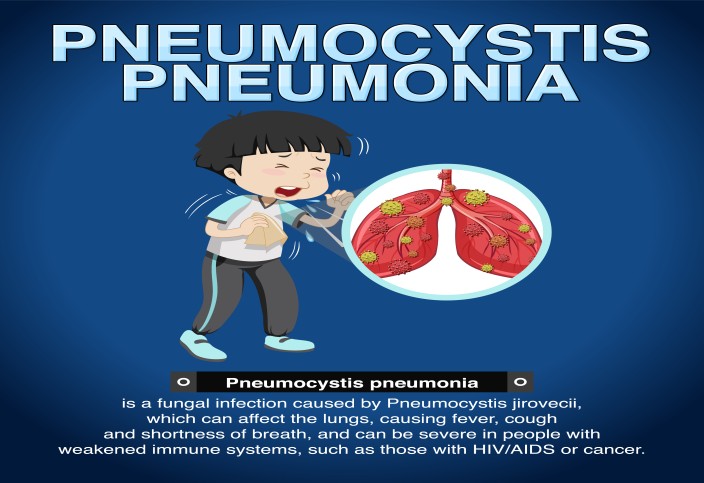
In infants with HIV, Pneumocystis jiroveci is a major cause of pneumonia and accounts for a significant share of pneumonia-related deaths in HIV-infected babies.
Risk Factors
While pneumonia can affect any child, certain conditions and environments make some children more vulnerable:
- Weakened immunity due to malnutrition, HIV infection, or chronic diseases such as cystic fibrosis.
- Lack of exclusive breastfeeding during infancy reduces natural immunity.
- Exposure to indoor air pollution from biomass fuels such as wood or dung used for cooking.
- Crowded living conditions and parental smoking increase exposure to infectious agents.
- Unvaccinated status against preventable diseases like Hib, measles, or whooping cough , varecella.
Children under one year of age who are frequently exposed to second hand smoke are at a much higher risk of developing severe pneumonia.
Pneumonia Symptoms in Children
The symptoms depend on the underlying cause, but bacterial and viral pneumonia are similar in nature. Bacterial infections appear suddenly, while viral cases progress more gradually.
Common pneumonia symptoms include:
- Fever and chills
- Persistent cough producing mucus
- Chest or abdominal pain during breathing or coughing
- Rapid or laboured breathing
- Fatigue and loss of appetite
- Wheezing and irritability
- Bluish lips or fingernails, indicating low oxygen
In severe cases, children struggle to feed, experience unconsciousness, or show chest retraction (the chest pulling inward while breathing). These are warning signs that require immediate medical attention.
Treatment
Treatment depends on the type and severity of infection. Bacterial pneumonia is treated with antibiotics. Usually, oral antibiotics are considered as first-line therapy by the WHO. Early administration is important to prevent complications and reduce hospital admissions.
Viral pneumonia has no specific antibiotic treatment and is managed through supportive care until the infection resolves.
Typical treatment approaches include:
- Prescribed antibiotics (for bacterial pneumonia)
- Antiviral medication for influenza-related pneumonia
- Adequate hydration and a balanced diet
- Use of a cool-mist humidifier to ease breathing
- Acetaminophen or ibuprofen for fever and discomfort (under medical guidance)
- Rest and regular monitoring of the breathing pattern
Severe pneumonia requires hospitalization, where treatment includes:
- Intravenous (IV) antibiotics or fluids
- Oxygen therapy
- Suctioning of mucus to clear the airways
- Nebulizer treatments to reduce breathing distress
With prompt treatment, most children recover fully within one to two weeks. However, untreated pneumonia can lead to complications such as sepsis, pleural effusion (fluid around the lungs), Empyma (Pus around the lung) and or respiratory failure.
How Timely Care Saves Lives
Pneumonia often starts like a cold or mild respiratory infection, which leads to delayed medical attention. Early recognition is important because the infection spreads rapidly in young children and can cause oxygen deprivation.
Delays in diagnosis or improper treatment are major reasons for deaths. The WHO-UNICEF Global Action Plan for Pneumonia and Diarrhoea (GAPPD) emphasizes early community-level detection and access to antibiotics as the most effective way to save lives.
Timely vaccination also plays a critical role. Immunization against Hib, pneumococcus, measles, pertussis, and influenza protects children from severe respiratory infections. Exclusive breastfeeding for the first six months strengthens natural immunity, improves indoor air quality, and reduces environmental risks.
* Newer vaccine and monoclonal antibodies against RSV
Conclusion
Pneumonia in children is preventable, treatable, and curable with the right care. Yet, in India and across South Asia, it continues to claim young lives due to late diagnosis and limited access to medical attention. Hence, if you notice pneumonia symptoms early, get complete vaccination done for your child, and maintain good nutrition, they can get early treatment.
At Hinduja Hospital Khar, our paediatric specialists provide expert diagnosis, antibiotic therapy, and respiratory care for children with pneumonia and related infections. From early detection to recovery monitoring, every child gets focused and compassionate medical attention.
If your child shows signs of laboured breathing, fever, or prolonged cough, consult a paediatrician at Hinduja Hospital Khar for timely evaluation and treatment.
Frequently Asked Question (FAQs)
How serious is pneumonia for a child?
Pneumonia remains the leading infectious cause of death in children under five. Though it is often linked to older adults, it poses a serious risk to young children worldwide. Early diagnosis and medical treatment are crucial to prevent severe complications or death.
How do you treat pneumonia in children?
Most children recover with rest, fluids, nutritious meals, and prescribed medication. Mild pneumonia usually improves within two to three weeks, while severe cases may take longer. Continuous follow-up with a doctor is important to monitor recovery and ensure the infection clears completely.
What foods should a child with pneumonia avoid?
Avoid giving fried or processed foods, sugary drinks, and high-sodium snacks, as they can worsen inflammation. Offer light, nutrient-rich meals, fruits, and fluids to support healing and hydration.
Submit your query