 Share
ShareOverlapping Symptoms of Ovarian Cancer, PCOS and Endometriosis: What to Watch For
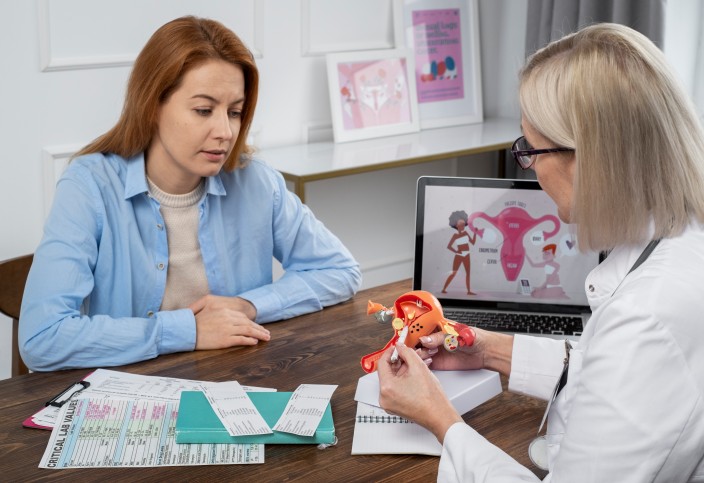
Ovarian cancer, polycystic ovary syndrome (PCOS), and endometriosis originate from different physiological causes, but when it comes to symptoms, the lines can blur. Abdominal discomfort, irregular bleeding, bloating, and even infertility are some of the common symptoms. Recognizing where these conditions intersect, and differ, helps doctors to give the correct diagnosis and treatment.
The Common Symptom: Pelvic Discomfort
Many gynecological and reproductive conditions cause pelvic pain. But pelvic pain by itself says little. It’s the nature, timing, and supporting symptoms that shift the diagnostic needle.
Take bloating for example. It's one of the most underreported complaints in women who are later diagnosed with ovarian cancer. However, bloating also shows up in moderate to severe endometriosis and can worsen during ovulation in PCOS.
Unless a doctor checks how long the bloating has lasted, and what other symptoms ride alongside it, it can stay buried in ambiguity.
Condition Snapshots – What’s What?
Ovarian Cancer
- A malignancy begins in the ovarian tissue. It is often silent in the early stages.
- Common symptoms include persistent bloating, loss of appetite, abdominal pressure, and unexplained weight loss.
- It usually affects post-menopausal women, but it is not exclusive to them.
Endometriosis
- Non-cancerous but painful condition where uterine-like tissue grows outside the uterus.
- It worsens with each menstrual cycle. It is commonly linked to painful periods, infertility, and pain during intercourse.
- It can appear as early as adolescence.
PCOS (Polycystic Ovary Syndrome)
- A hormonal imbalance marked by excess androgens, ovulatory dysfunction, and multiple ovarian cysts.
- Characterized by irregular periods, acne, hirsutism, weight gain, and insulin resistance.
- Affects women of reproductive age and is often associated with fertility challenges.
What Symptoms Overlap and Why It Matters?
Here’s where the confusion begins:
Due to such overlapping symptoms, many women normalize it until it becomes severe. However, subtle details like whether pain improves with NSAIDs, or if periods have stopped entirely versus just being painful, matter a lot.
When Shared Symptoms Cause Diagnostic Delays
- Endometriosis takes an average of 7–10 years to diagnose.
- PCOS is often diagnosed retrospectively after failed conception attempts.
- Ovarian cancer, in contrast, is often detected late, after non-specific symptoms worsen.
Why the delay?
Most women do not seek help for irregular cycles or bloating unless it interferes with their daily lives. Also, routine gynecological exams can’t detect internal tissue growths or small tumors effectively.
Doctors need to rule out PCOS and endometriosis first before testing for malignancy. This hierarchy is rooted in prevalence, but it can be problematic if symptoms are rapidly progressing.
Risk Factors That Can Help Distinguish Conditions
Understanding the risk profiles of each condition provides diagnostic shortcuts:
- Ovarian Cancer Risk Factors: Family history (BRCA1/BRCA2), age over 50, post-menopausal status, prior hormone replacement therapy.
- Endometriosis Risk Factors: Early menarche, shorter cycles (<27 days), family history, delayed pregnancy.
- PCOS Risk Factors: Obesity, insulin resistance, genetics (mother/sister with PCOS), sedentary lifestyle.
Knowing where a patient fits on this spectrum helps doctors decide whether to prioritize hormonal assays, imaging, or biopsies.
Signs That Warrant Immediate Medical Evaluation
While all three conditions share non-urgent symptoms, certain signs should never be ignored, particularly if they:
- Last longer than two weeks without explanation
- Disrupt bowel or bladder function
- Include visible abdominal swelling or firmness
- Co-occur with unintentional weight loss
- Involves persistent pain and not responding to over-the-counter medication
In such cases, imaging, blood tests, and sometimes surgical evaluation (like laparoscopy) are necessary.
Final Thoughts
Overlapping symptoms don’t mean the same solutions. While PCOS can be managed with lifestyle changes and hormone therapy, endometriosis requires surgical intervention, and ovarian cancer requires an oncologic approach. If you're experiencing the above symptoms, and they don’t follow a clear pattern, do not dismiss them as "normal."
Book an appointment at Hinduja Hospital, Khar, Mumbai where our gynecologists and oncologists use advanced diagnostics to evaluate reproductive health conditions with clarity and care.
FAQs
How can I be sure I don't have ovarian cancer?
To confirm if you have ovarian cancer or not, you can go ahead with a transvaginal ultrasound (TVUS) to screen for ovarian cancer and the CA-125 blood test.
How do you feel about stage 1 ovarian cancer?
Bloating, diarrhea, and abdominal pain are three of the most common symptoms of ovarian cancer. They're also the easiest to overlook. It happens because these signs are similar to other conditions like indigestion, stomach ache, and period cramps.
What age is ovarian cancer common?
On average, ovarian cancer is detected in women who are between 55 to 65 years old. Menopause usually starts around 50, but those who start menopause after age 55 are at increased risk of developing ovarian cancer.
Submit your query