 Share
ShareHeart-Healthy Diet Plan - Foods to Support Recovery and Prevent Cardiac Complications
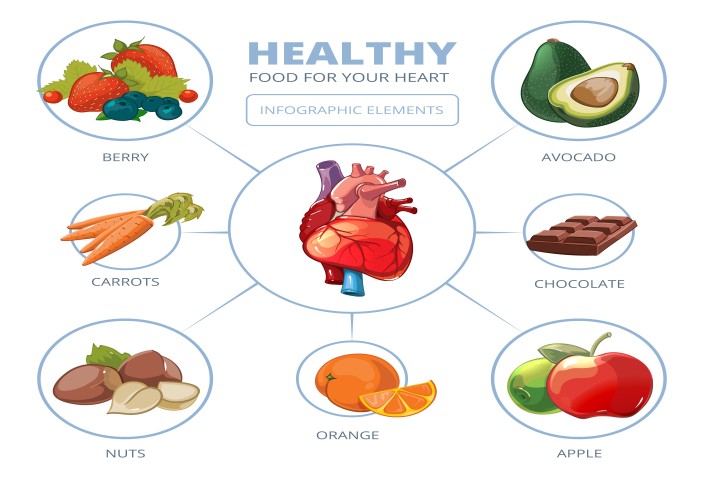
Heart disease is one of the leading health challenges across the world, and diet plays a crucial role in staying healthy. What you eat influences how well your heart heals, how your blood vessel’s function, and how your cholesterol levels respond over time. A balanced, nutrient-dense, healthy heart diet supports your recovery, builds resilience, and helps prevent future cardiac complications.
In this article we will learn more about what foods you must have and avoid for your heart.
What is a Heart-Healthy Diet?
A heart-healthy diet focuses on balance, moderation, and nutrient quality. It is not about restriction, but about nourishing your body in ways that protect and strengthen the cardiovascular system. Such a diet improves blood circulation, reduces inflammation, and supports optimal cholesterol and blood pressure levels.
At its core, it relies on fresh, unprocessed foods like vegetables, fruits, whole grains, lean proteins, and healthy fats. The idea is to choose natural, minimally processed ingredients that maintain the body’s nutrient integrity and limit harmful fats and sugars. Consistent adherence to this approach forms the foundation of long-term cardiac wellness.
Core Principles of a Heart-Friendly Diet
Certain dietary habits are good for your heart health and recovery. The following principles guide every heart-friendly meal plan:
- Replace saturated fats with unsaturated fats from sources such as olive oil, nuts, and seeds.
- Reduce sodium intake by avoiding packaged and processed foods.
- Include fiber-rich options such as oats, lentils, fruits, and vegetables to lower LDL cholesterol.
- Prioritize lean proteins and plant-based alternatives over red or processed meats.
- Manage portion sizes to prevent overeating and maintain stable energy levels.
- Stay hydrated through water, herbal teas, and low-fat dairy rather than sugary beverages.
These principles maintain a balance between calorie control and nutrient sufficiency, keeping the heart well during recovery.
Foods That Support Recovery After a Cardiac Event
A well-structured Heart Patient Diet supports tissue repair, regulates blood pressure, and strengthens heart muscles.
Fruits and Vegetables - Include colourful varieties like spinach, carrots, citrus fruits, and berries. They provide antioxidants and potassium that protect heart cells and help in blood pressure regulation.
Whole Grains - Choose brown rice, oats, quinoa, and whole-wheat bread. Their high fiber content reduces cholesterol and stabilizes blood sugar levels.
Lean Proteins - Opt for skinless poultry, fish, and legumes such as beans or lentils. These supply essential amino acids for tissue repair without adding excess fat.
Healthy Fats - Use oils such as olive or canola and include avocados, flaxseeds, and walnuts. These fats lower bad cholesterol and reduce inflammation.
Low-Fat Dairy - Select skim milk, yogurt, or paneer made from low-fat milk to get calcium and protein without added saturated fats.
Foods to Limit or Avoid
Certain foods increase cholesterol and blood pressure, which puts additional strain on the heart. Hence, having them in limits is beneficial for your heart.
- Saturated and Trans Fats - Found in butter, ghee, processed snacks, and fried foods.
- High Sodium Foods - Canned soups, sauces, pickles, and salted snacks.
- Added Sugars - Sweetened beverages, confectionery, and desserts.
- Refined Carbohydrates - White bread, pastries, and sugary cereals.
- Processed Meats and Full-Fat Dairy - Sausages, bacon, and heavy cream.
Sample Daily Meal Plan for a Healthy Heart
A well-planned routine helps you stay consistent with your dietary goals. The following meal chart offers a balanced daily routine that is adaptable to most recovery stages.
Meal Example Foods
Breakfast Oatmeal topped with fruits and flaxseeds and served with low-fat milk
Mid-Morning Snack A handful of unsalted almonds or a small fruit
Lunch Brown rice or millets with grilled fish or lentil curry, sautéed vegetables
Evening Snack Vegetable soup or roasted chickpeas
Dinner Whole grain chapatis, mixed vegetable stir-fry, and tofu or grilled chicken
Hydration Water, buttermilk, or unsweetened herbal teas (avoid sugary drinks)
Heart-Healthy Cooking Methods
The method of cooking is just as vital as the ingredients themselves. Choose cooking methods that preserve nutrients and minimize fat use.
- Grilling or Baking - Retains flavour and reduces the need for added fats.
- Steaming - Keeps vegetables and fish tender with all the nutrients.
- Sautéing with Healthy Oils - Use olive or mustard oil in minimal quantities.
- Poaching - A gentle way to prepare eggs or fish without excess fat.
- Avoid Deep-Frying - Reserve for occasional indulgence and not daily meals.
These methods make a heart-healthy diet practical and sustainable.
Lifestyle Habits That Support Heart Health
Diet and lifestyle work together in cardiac care. Beyond food choices, adopting supportive habits reduces the risk of further complications.
- Physical Activity - Engage in regular walking, light aerobics, or yoga under medical supervision.
- Stress Management - Practice mindfulness, deep breathing, or guided relaxation to reduce strain on the heart.
- Sleep and Routine - Aim for 7–8 hours of restful sleep to recover and regulate metabolism.
- Avoid Tobacco and Alcohol - Both interfere with healing and increase cardiovascular risks.
- Medical Monitoring - Track blood pressure, cholesterol, and sugar levels as advised by your cardiologist.
When to Consult a Dietitian or Cardiologist?
Every recovery journey is unique. Nutritional requirements differ based on age, medication use, comorbidities such as diabetes or hypertension, and recovery stage. Consultation with a clinical dietitian ensures your plan goes hand in hand with medical recommendations and your body’s specific needs. Regular follow-ups also help monitor progress and make timely adjustments to your healthy heart diet.
Conclusion
A thoughtful dietary plan keeps your heart healthy so that you can live a long and healthy life. Over time, each balanced meal and lifestyle choice contributes to better endurance and cardiovascular stability.
At Hinduja Hospital Khar, our cardiac care team and nutrition specialists design personalized diet and recovery programs that guide you toward lasting heart wellness. To take the next step in protecting your heart, book a consultation today and begin your journey towards sustained cardiac health.
Frequently Asked Question (FAQs)
What are three foods cardiologists say not to eat?
Cardiologists advise not eating processed meats, deep-fried foods, and foods high in trans fats, such as packaged snacks and margarine. These items raise bad cholesterol levels, increase inflammation, and put unnecessary strain on the heart over time.
Which drink is best for the heart?
Water is the best drink for heart health as it supports circulation and helps maintain normal blood pressure. You can also include green tea, herbal infusions, and low-fat milk as part of a heart-friendly routine while avoiding sugary or high-caffeine beverages.
Submit your query